




Panda Express NNN Investor Hub | Cap Rate Trends, Credit Rating Trends, Lease Terms & Due Diligence
Last Year Cap
5.5%
This Year Cap
5.8%
Cap Change
0.2%
Panda Express – NNN Cap Rate Trend
Cap Rate Trends
| wdt_ID | wdt_created_by | wdt_created_at | wdt_last_edited_by | wdt_last_edited_at | Tenant | Year | Cap Rate |
|---|---|---|---|---|---|---|---|
| 5779 | admin2 | 2026 04:17 AM | admin2 | 2026 04:17 AM | 7 Brew | 2,020 | 6.5 |
| 5780 | admin2 | 2026 04:17 AM | admin2 | 2026 04:17 AM | 7 Brew | 2,021 | 6.3 |
| 5781 | admin2 | 2026 04:17 AM | admin2 | 2026 04:17 AM | 7 Brew | 2,022 | 6.0 |
| 5782 | admin2 | 2026 04:17 AM | admin2 | 2026 04:17 AM | 7 Brew | 2,023 | 6.3 |
| 5783 | admin2 | 2026 04:17 AM | admin2 | 2026 04:17 AM | 7 Brew | 2,024 | 6.6 |
| 5784 | admin2 | 2026 04:17 AM | admin2 | 2026 04:17 AM | 7 Brew | 2,025 | 6.6 |
| Tenant | Year | Cap Rate |
Credit (what net-lease buyers care about)
Credit Snapshot
Panda Express
Panda Express Net Lease: Secure, Essential Investment
Panda Express is a nationally recognized quick-service restaurant (QSR) brand with strong unit-level performance and consistent investor demand in the net lease market. This guide reviews cap rates, lease structures, tenant profile, and key due diligence considerations for buyers and sellers.
For 1031 exchange buyers, Panda Express properties are important to compare against other QSR ground lease and fee simple assets, as lease structure can significantly impact pricing, financing, and long-term exit value.
Investors often target Panda Express assets for:
- Strong Unit-Level Sales Performance
- High-Traffic Retail & Drive-Thru Locations
- Long-Term Net Lease Structures
- Attractive 1031 Exchange Compatibility
While Panda Express is privately held (Not Rated by Moody’s/S&P), it is widely considered a high-performing QSR operator, which supports relatively low cap rates compared to other non-rated tenants.
Panda Express Ground Lease Properties for 1031 Exchange Buyers
Panda Express ground lease properties typically trade at lower cap rates than fee simple assets due to minimal landlord responsibilities and strong unit performance; buyers should evaluate rent escalations, lease term and renewal options, lease structure, corporate backing, and residual land value, as these assets are often viewed as stable income investments despite being not rated.
Panda Express Investment Market Statistics
AVERAGE SALE PRICE
BUILDING SIZE
AVERAGE NOI
LAND
$/SF RANGE
LEASE TERM SHOWN
Panda Express Investor Snapshot (Quick Facts)
Origins & Growth (Past)
• Founded in 1983 in California
• Part of Panda Restaurant Group
• Expanded rapidly across the U.S.
• Focus on high-traffic retail & mall locations
• Introduced drive-thru QSR model
• One of the largest Asian dining chains in the U.S.
Where Panda Express Stands Today
• Extensive U.S. presence with 2,400+ locations
• Leading fast-casual Asian dining brand
• High daily customer traffic and strong unit sales
• Primarily corporate-operated locations
• Growing drive-thru and digital ordering channels
• Focus on operational efficiency and expansion
Where Panda Express Stands Today
• Increased digital ordering and app adoption
• Expansion of drive-thru and off-premise sales
• Strong unit-level performance and sales growth
• High customer demand and brand loyalty
• Ongoing new store development across key markets
• Focus on operational efficiency and menu innovation
• Benefiting from sustained QSR dining trends
Why investors buy Panda Express NNN Properties or Panda Express ground Lease Properties?
Pros (what buyers like)
- Strong Brand & Unit Performance
Panda Express benefits from high unit-level sales, strong brand recognition, and consistent customer demand across dine-in, takeout, and drive-thru formats. - High-Traffic Retail Locations
Most locations are positioned in dense retail corridors, shopping centers, and signalized intersections, supporting steady foot traffic and visibility. - Attractive Lease Structures
Properties are typically offered as long-term NNN or ground leases, making them appealing for passive investors and 1031 exchange buyers.
Cons (what can bite you)
- Not Rated Tenant
Panda Express is privately held and not rated by Moody’s or S&P, which may impact financing or investor perception. - Lease Structure Variability
Some properties may include NN or modified NNN leases, requiring landlords to cover certain expenses. - Limited Rent Growth
Lease agreements may include flat or modest rent escalations, affecting long-term income growth. - Re-Tenanting Challenges
Drive-thru configurations and specialized layouts can make repositioning the property more difficult if vacated.
Investor Decision Framework (Buy / Hold / Sell)
✓ Strong “Buy Box” for a Panda Express Net Lease
• 10–20 years lease term remaining (or shorter term with solid renewal options) • Absolute NNN or ground lease with minimal landlord responsibility • High-traffic retail corridor or signalized intersection • Drive-thru location with strong visibility and access • Healthy unit sales and rent aligned with market for resale stability
02
⚠ Yellow Flags (Price Accordingly)
• NN or modified NNN lease with landlord responsibilities (roof/structure) • Flat rent or weak escalation structure • Underperforming location with lower sales volume • Poor visibility, access, or secondary retail corridor • Overbuilt site or layout limiting re-tenanting flexibility
Find out more
Panda Express Background & History
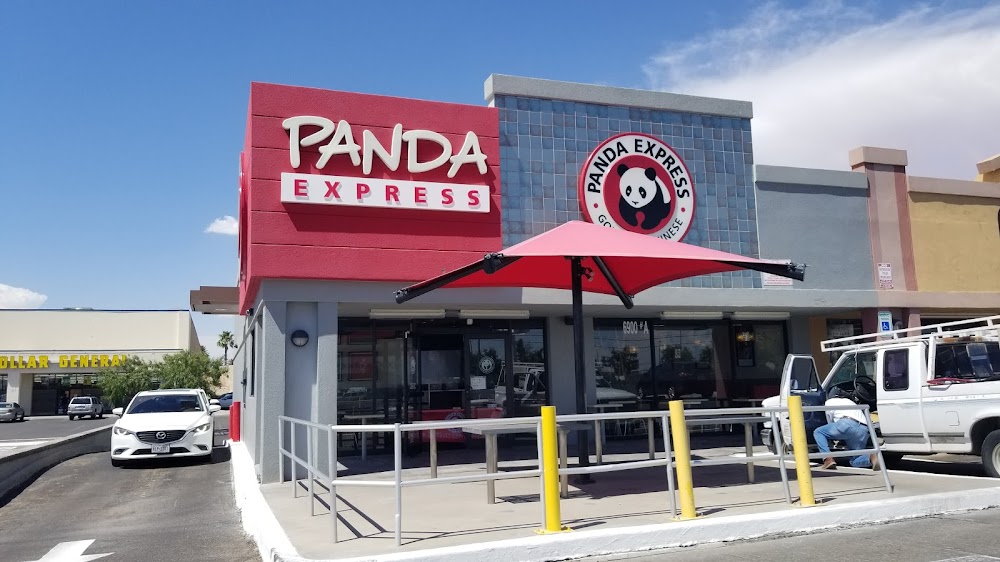
Panda Express is a leading fast-casual restaurant brand best known for its widespread presence across retail corridors, shopping centers, and high-traffic suburban locations in the United States. What began as a single family-owned restaurant evolved into one of the largest Asian dining concepts in the country, focused on quick-service efficiency and consistent menu offerings.
Over time, the company expanded nationally, building a strong footprint in both urban and suburban markets. Today, Panda Express locations serve customers through dine-in, takeout, and drive-thru formats, generating high transaction volumes and repeat customer visits.
As consumer behavior has shifted toward convenience and off-premise dining, the company has adapted through drive-thru expansion, digital ordering platforms, and operational efficiencies that support strong unit-level performance.
Why Panda Express Matters to NNN Investors
Panda Express operates thousands of locations across the United States, benefiting from strong brand recognition, consistent customer demand, and high-traffic retail positioning. The business model is centered on quick-service dining, repeat visits, and locations placed in dense population centers and major retail corridors.
Many sites feature drive-thru access, strong visibility, and convenient ingress/egress, which help support steady sales volumes. In addition, the company continues to invest in digital ordering and operational improvements to enhance efficiency and throughput.
This focus on convenience-driven dining helps explain why Panda Express remains relevant in a competitive QSR landscape. While not rated by Moody’s or S&P, the brand is widely viewed as a high-performing operator, supporting investor demand and relatively low cap rates.
What Buyers and Sellers Should Evaluate
For investors evaluating Panda Express NNN properties, a Panda Express net lease, or a Panda Express ground lease, the investment thesis is typically centered on real estate fundamentals and store-level performance, rather than formal credit ratings.
Common searches include Panda Express real estate, Panda Express cap rate, Panda Express lease term, Panda Express tenant profile, and unit sales performance. Ultimately, Panda Express net lease value is driven by site quality, lease structure, and store productivity.
As QSR trends continue to evolve, the strongest Panda Express locations tend to be those with drive-thru access, strong traffic counts, and dense surrounding populations. Buyers and sellers should evaluate each property individually, including visibility, access, trade area demographics, nearby competition, and lease terms that define landlord responsibilities.
In addition, investors should consider long-term cash flow stability, lease rollover risk, and how the asset may perform across different hold periods and exit strategies, especially given the tenant’s private ownership structure.
our team of experts are here for you
Our team helps investors evaluate NNN properties with practical, market-based guidance. In addition, we support buyers and sellers with lease review, pricing analysis, and due diligence strategy.
Whether you are comparing Panda Express ground lease properties or fee simple Panda Express assets, we can help you review the details that affect risk and long-term value. As a result, clients can make more confident decisions based on lease structure, location quality, and investment goals.